Why Your Nightstand Is Ruining Your Bedroom Vibe

The One-Surface Rule
Hide the Tech Clutter
Use a Small Tray for Trinkets
Swap the Bulky Lamp for a Slim Version
Add a Touch of Greenery
Most people believe a nightstand is merely a functional surface for a lamp and a phone charger. This is a fundamental misunderstanding of how visual weight affects your sleep hygiene and psychological calm. In reality, the nightstand is the most intimate piece of furniture in your home; it is the last thing you see before sleep and the first thing you encounter upon waking. If it is cluttered with half-empty water glasses, tangled charging cables, and a stack of unread paperbacks, you are signaling to your brain that the day's unfinished business is still present. A poorly curated nightstand disrupts the transition from wakefulness to rest, turning a sanctuary into a zone of low-level visual anxiety.
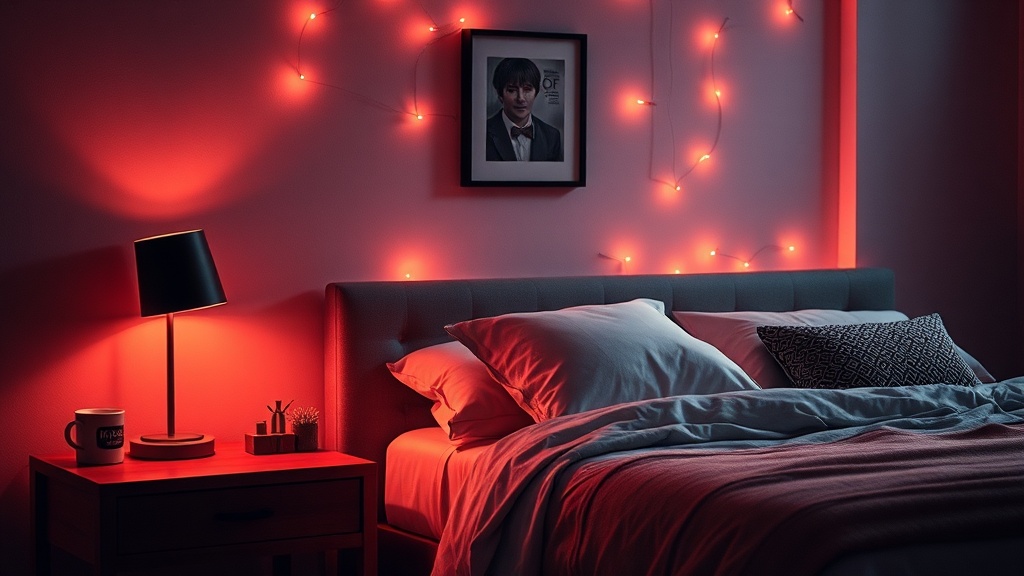
To fix your bedroom vibe, you must stop treating this surface as a catch-all drawer and start treating it as a curated vignette. This requires a shift from "storage" to "composition." The following five principles will help you reclaim your bedside space and ensure it supports, rather than sabotages, your rest.
1. Respect the Proportions of the Bed
The most common error in bedroom design is a mismatch in scale. A massive, heavy oak nightstand paired with a minimalist platform bed creates a jarring visual tension. Conversely, a tiny, spindly metal table next to a heavy upholstered headboard looks accidental and cheap. The nightstand should feel like an intentional companion to the bed, not an afterthought.
When selecting a piece, consider the height relative to your mattress. The top surface of the nightstand should ideally sit level with or slightly above your mattress height. If you have to reach up significantly to turn off a lamp, you are breaking your ergonomic flow. If the table is too low, it creates a sense of heaviness at the base of the bed, making the entire room feel unbalanced. If you are working with a standard West Elm or IKEA bed frame, aim for a surface height that allows your arm to rest naturally. A height discrepancy of more than two inches can disrupt the visual continuity of your sleeping area.
2. Control the Cord Chaos
Nothing kills a sophisticated aesthetic faster than a "nest" of white plastic cables snaking across a wood grain. In a bedroom, visible technology is a psychological trigger for productivity and alertness—the exact opposite of what you need for sleep. If your phone, watch, and tablet are all plugged into a tangled mess of lightning cables, your nightstand is failing its primary mission.
To resolve this, implement a strict "hidden tech" policy. Use a nightstand with a dedicated drawer or a back compartment designed for cable management. If your piece lacks this, purchase a weighted cable holder or a minimalist docking station. Better yet, opt for a lamp with a built-in USB port or a wireless charging pad integrated into the surface. This eliminates the need for loose wires. If you must have a cord visible, ensure it is a high-quality, fabric-wrapped cable in a neutral tone rather than a cheap, translucent plastic one. This is the difference between a room that looks lived-in and a room that looks unmanaged.
3. Curate the Top Surface with Intent
The "surface area trap" occurs when you treat the top of your nightstand as a secondary desk. Just as kitchen countertops look messy when utility overrides design, your nightstand suffers when it becomes a landing strip for daily debris. A tray, a book, a lamp, and a glass of water are acceptable; a stack of receipts, a bottle of hand cream, and a stray earring are not.
To maintain a high-end aesthetic, use the "Rule of Three" for your objects. Group items in odd numbers and vary their heights to create visual interest. A standard, successful composition includes:
- A Light Source: Avoid the harsh, overhead light of a ceiling fixture. Use a task lamp with a warm bulb (2700K) or a sculptural candle. A lamp with a linen shade provides a soft, diffused glow that prepares the eyes for sleep.
- A Living Element: A single stem in a small ceramic vase or a small succulent adds organic texture. This prevents the surface from feeling too sterile or "staged."
- A Functional Object: This is your book or a ceramic coaster. Ensure the object is beautiful in its own right—a linen-bound hardback is far more aesthetic than a mass-market paperback with a bright, glossy cover.
If you find yourself needing more space for practical items like medication or glasses, move them inside a drawer. The surface is for atmosphere; the drawer is for utility.
4. Prioritize Texture Over Trend
The current trend in interior design leans heavily toward "ultra-minimalism"—white surfaces, glass, and high-gloss finishes. While these can look striking in a showroom, they often feel cold and uninviting in a bedroom. A nightstand is a tactile experience. Every time you reach for your lamp or set down a glass, you are interacting with that material.
Instead of following the latest "fast furniture" trends, look for materials that possess a sense of permanence and weight. A solid walnut side table, a honed marble plinth, or even a heavy linen-wrapped box provides a sense of groundedness. Texture adds a layer of sensory richness that a flat, laminate surface cannot achieve. If your room feels "flat," it is likely because you have too many smooth, non-reflective surfaces. Introducing a textured stone or a grained wood introduces a subtle complexity that makes the room feel curated rather than assembled.
5. Manage the Visual Weight of the "Shadow Side"
We often focus entirely on the top of the nightstand, forgetting that the space beneath it is just as important. A nightstand with an open bottom—such as a simple pedestal or a thin-legged metal frame—creates "negative space." This is excellent for smaller rooms as it allows light to pass under the piece, making the floor area feel larger. However, if you have a heavy, solid-base nightstand, you must ensure the area around it is kept impeccently clean.
Avoid the temptation to use the space under the nightstand for storage baskets filled with clutter. While a woven seagrass basket can add a nice organic touch, a plastic bin or a cardboard box will immediately degrade the quality of the room. If you need extra storage, invest in a high-quality wooden crate or a leather bin that complements the existing color palette. If you struggle with clutter in other parts of the house, you may find that your bedroom suffers from the same issues; understanding why entryways feel chaotic can often provide clues into how you manage transitional spaces throughout your home.
"Design is not just about what you see, but how a space makes you feel. A nightstand is the final touchpoint of your day; ensure it offers peace, not a to-do list."
By treating your nightstand as a deliberate design element rather than a functional necessity, you transform your bedroom from a mere sleeping quarters into a highly intentional sanctuary. Start by clearing the surface entirely, then rebuild it one high-quality, intentional object at a time.