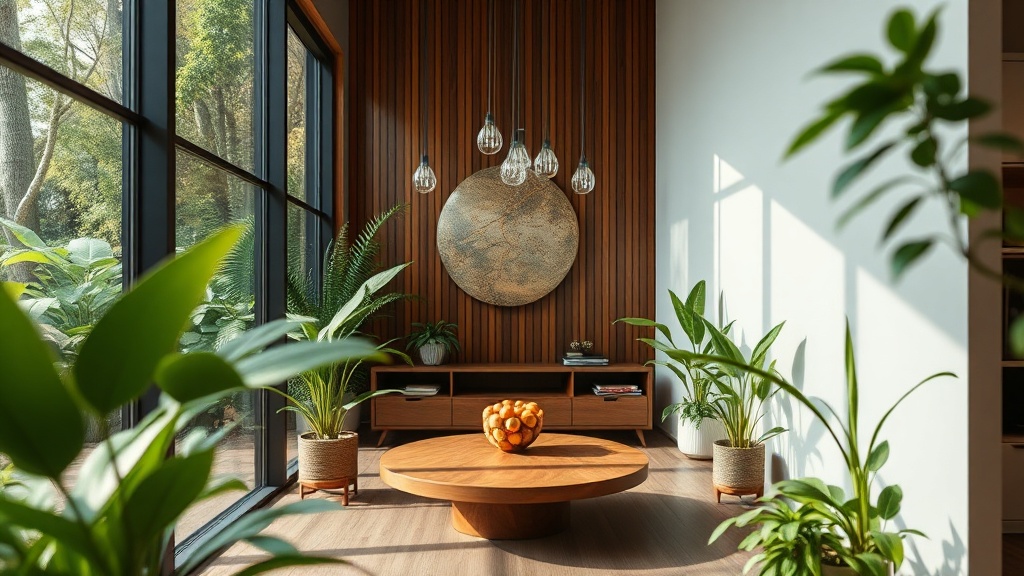
7 Timeless Biophilic Design Elements to Bring Nature Indoors

Maximize Natural Light Exposure
Incorporate Living Greenery
Use Natural Textures and Materials
Embrace Organic Shapes and Curves
Introduce Earthy Color Palettes
Incorporate Water Elements
Utilize Botanical Patterns and Prints
In my years navigating the high-pressure corridors of London advertising agencies, I saw a recurring pattern: the more "modern" a space became, the more sterile it felt. We were obsessed with the sleek, the frictionless, and the synthetic. But as I transitioned from strategy to the quiet curation of my bookstore, I realized that true luxury isn't found in a polished marble countertop; it is found in the tension between the man-made and the organic.
We are currently witnessing a profound shift in interior design—a move away from the cold minimalism of the last decade toward biophilic design. This isn't merely the act of placing a single Monstera in a corner to satisfy an Instagram aesthetic. True biophilia is a fundamental human need to reconnect with the natural world. It is a design philosophy that seeks to integrate natural patterns, textures, and light into our built environments to improve cognitive function, reduce stress, and foster a sense of well-being.
To design with nature is to design for longevity. It is about creating spaces that breathe. Below, I have curated seven timeless elements that move beyond the ephemeral trends of the season, offering instead a blueprint for a home that feels truly alive.
1. The Mastery of Circadian Lighting
Light is the most potent tool in a designer’s arsenal, yet it is often the most misused. Most modern homes suffer from a "flatness"—a singular, harsh overhead light that ignores the natural progression of the day. Biophilic design demands that we respect the movement of the sun.
To achieve this, you must move beyond the single source. Incorporate a hierarchy of light: ambient, task, and accent. Rather than relying on a singular bright light, use warm-toned lamps and dimmable fixtures to mimic the soft transition of dusk. This is particularly crucial as we navigate seasonal shifts; for instance, learning how to reset your sleep schedule for spring begins with the light environment you curate in your bedroom and living areas.
Pro-tip: Seek out light fixtures that cast dappled shadows. The way light filters through a textured shade or a leafy branch creates a "moving" light pattern that mimics the forest floor, a phenomenon known as "non-rhythmic sensory stimuli," which has been shown to lower cortisol levels.
2. Tactile Materiality and Organic Textures
In a world dominated by digital interfaces and smooth plastics, our sense of touch is starving. Biophilic design prioritizes materiality—the physical presence of things. A well-designed room should invite the hand to touch it.
Replace synthetic textiles with materials that possess a "soul": linen, heavy wool, reclaimed wood, and unpolished stone. There is a profound difference between a mass-produced ceramic bowl and one that bears the slight, intentional irregularities of a potter's thumb. These imperfections—what the Japanese call Wabi-sabi—remind us of the organic processes of growth and decay.
When selecting furniture, look for grain and texture. A coffee table made of raw-edged oak provides a visual and tactile weight that a glass table simply cannot match. This depth of texture adds a layer of sophistication that is essential when you are mastering a minimalist aesthetic in smaller living quarters, where every object must carry its own weight and character.
3. Fractal Patterns and Natural Geometry
Nature rarely works in straight lines or perfect 90-degree angles. If you look closely at a fern, a snowflake, or a coastline, you will find fractals—complex, self-repeating patterns that occur at different scales. Humans are evolutionarily programmed to find these patterns soothing.
You can introduce this into your home through art, textiles, or even the arrangement of objects. A geometric rug with a subtle, organic repeat or a wallpaper with a botanical motif can ground a room. However, avoid the "cluttered" look. The goal is to use these patterns to create a sense of rhythm. A single, large-scale piece of art featuring a natural fractal pattern is often more effective than several small, busy pieces. It provides a focal point that allows the eye to wander and rest, much like looking out over a landscape.
4. The Integration of Living Greenery
Plants are the obvious hallmark of biophilia, but the amateur mistake is treating them as mere decor. To truly integrate nature, think about spatial depth. Instead of a collection of isolated pots, create "green zones."
A cluster of plants at varying heights—some trailing from a high shelf, some mid-level, and some low to the ground—creates a sense of an immersive ecosystem. This adds a layer of "living architecture" to your room. Furthermore, consider the functional aspect of your greenery. If you are working from home, a well-placed plant can serve as a visual break for your eyes. Integrating greenery into your workspace is a vital component of a spring home office refresh, providing a much-needed cognitive reset during long hours of deep work.
"Design is not just about how a space looks, but how it makes the inhabitant feel in relation to the world outside."
5. Sensory Olfactory Design
We often forget that design is a multi-sensory experience. A room can be visually stunning, but if it smells of synthetic "ocean breeze" aerosols, the illusion of nature is broken. To truly bring the outdoors in, you must consider the olfactory landscape.
Use scent to define the mood of a space. This might mean the earthy, damp scent of cedarwood in a study, or the bright, citrusy notes of lemon and basil in a kitchen. Natural essential oils and beeswax candles offer a sophisticated, nuanced way to layer scent without the chemical harshness of commercial air fresheners. This subtle layer of design works on a subconscious level, anchoring your presence in the room and enhancing the sense of place.
6. Visual Connection to the Exterior
The boundary between "inside" and "outside" should be as permeable as possible. This doesn't necessarily mean you need floor-to-ceiling windows, though that is the gold standard. It is about creating a visual dialogue with the environment.
If you have a view of a garden, frame it. If you live in a high-rise, perhaps your "view" is the shifting colors of the sky. Use window treatments that allow for maximum light penetration while maintaining privacy. Sheer linens are excellent for this, as they diffuse sunlight into a soft, ethereal glow rather than a harsh glare. By acknowledging the exterior world, you prevent the feeling of being "boxed in," which is essential for mental clarity and a sense of freedom within your home.
7. The Use of Earth-Derived Color Palettes
Color is the most immediate way to signal a connection to nature. However, avoid the trap of using "trend" colors—those highly saturated hues that dominate the market for exactly one season. Instead, look to the earth-derived palette.
Think of the ochres of a desert, the deep mossy greens of a temperate forest, the muted terracottas of baked clay, and the soft, desaturated blues of a twilight sky. These colors are inherently stable and calming. They provide a backdrop that allows your furniture and art to breathe. When building a color story, remember that nature is rarely monochromatic. Layering different shades of the same organic tone—for example, a sage green wall with olive velvet cushions—creates a sense of depth and sophistication that feels intentional rather than accidental.
As you implement these elements, remember that the goal is not perfection, but harmony. A home should not look like a showroom; it should feel like a sanctuary. Whether you are making small changes or a complete overhaul, focus on the quality of the materials and the intention behind the placement. In a world that is increasingly fast and digital, the most radical thing you can do is create a space that is slow, tactile, and deeply, unapologetically human.