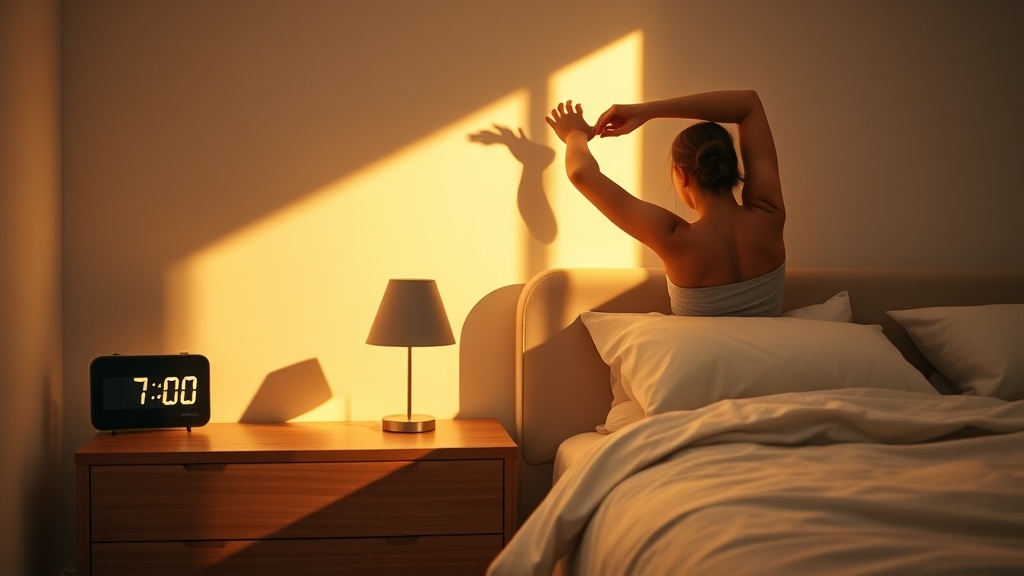
Reset Your Sleep Schedule for Spring: A Step‑by‑Step Daylight Saving Guide

Why does the clock change throw our sleep off?
Every spring, clocks jump forward an hour, nudging our internal circadian rhythm out of sync. The sudden loss of sleep can spike fatigue, impair focus, and even raise heart‑attack risk in the days that follow (American Heart Association, 2024).
How many days before the change should I start shifting my schedule?
Experts recommend a gradual adjustment over 7‑10 days before the transition. Moving bedtime and wake‑time earlier by 15 minutes each night lets the body adapt without the grogginess of a sudden hour loss.
What light exposure strategy jump‑starts my internal clock?
Morning light is the most powerful cue. Aim for 30‑160 minutes of bright, natural light within an hour of waking. If natural sunlight is limited, a bright‑light therapy box set to 10,000 lux works just as well.
Which bedtime habits should I tweak for a smoother shift?
- Dim the lights after sunset – swap harsh LEDs for warm amber bulbs.
- Screen curfew: turn off phones, tablets, and computers at least 60 minutes before bed. Blue‑light filters help, but the best antidote is a true break.
- Consistent wind‑down ritual: read a physical book, practice gentle stretching, or journal for 5‑10 minutes.
How does my morning routine reinforce the new schedule?
Pair light exposure with a simple, repeatable routine—hydration, a brief stretch, and a protein‑rich breakfast. Consistency signals to the suprachiasmatic nucleus (the brain’s master clock) that it’s time to be alert.
Can I use the “spring digital detox” tips to help?
Our Spring Digital Detox post already outlines screen‑free evenings. Re‑using those habits during the DST shift amplifies sleep quality.
What about nutrition and circadian alignment?
Eating earlier in the day aligns with your body’s natural insulin sensitivity. Check out the Bio‑Harmony Guide for timing meals around daylight.
Is there evidence that these steps actually reduce health risks?
A systematic review of DST transitions found a modest but consistent rise in acute myocardial infarctions within the first three days after the spring shift (PubMed, 2024). By smoothing the transition, you mitigate that spike—your body avoids the abrupt stress response that triggers cardiovascular events.
What’s the final checklist for the day of the change?
- Set your alarm 15 minutes earlier than usual.
- Expose yourself to bright light within the first hour.
- Skip caffeine after 2 pm.
- Keep your bedroom cool (18‑20 °C) and dark.
- Stick to your new bedtime, even if you feel slightly tired.
Takeaway: A 7‑Day Reset Plan
Use the table below to map your gradual shift. Adjust as needed, but aim for the 15‑minute increments.
| Day | Bedtime | Wake‑time |
|---|---|---|
| ‑7 | 11:30 pm | 7:30 am |
| ‑6 | 11:15 pm | 7:15 am |
| ‑5 | 11:00 pm | 7:00 am |
| ‑4 | 10:45 pm | 6:45 am |
| ‑3 | 10:30 pm | 6:30 am |
| ‑2 | 10:15 pm | 6:15 am |
| ‑1 | 10:00 pm | 6:00 am |
| 0 (DST day) | 9:45 pm | 5:45 am |
Related Reading
- Daylight Saving Time 2026: Expert Tips to Reset Your Sleep Schedule and Boost Mood – broader lifestyle strategies.
- Spring Refresh 2026: 6 Science‑Backed Habits to Boost Energy – complementary energy‑boosting habits.
Steps
- 1
Shift bedtime and wake‑time
Move bedtime and wake‑time earlier by 15 minutes each night for 7‑10 days before DST.
- 2
Morning light exposure
Get 30‑160 minutes of bright natural light within an hour of waking, or use a 10,000‑lux light‑therapy box.
- 3
Dim lights and screen curfew
Dim lights after sunset, switch to warm amber bulbs, and turn off screens at least 60 minutes before bed.
- 4
Consistent wind‑down ritual
Read a physical book, stretch gently, or journal for 5‑10 minutes each night.
- 5
Cool, dark bedroom & caffeine limit
Keep the bedroom cool (18‑20 °C) and dark, and avoid caffeine after 2 pm.