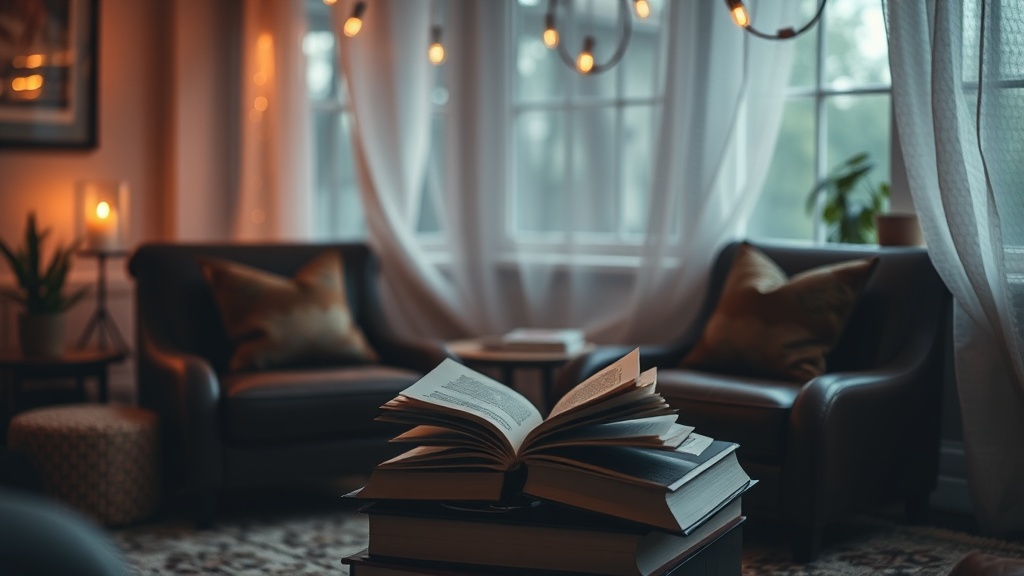
6 Texture Secrets for a Cozier Reading Nook

Layered Softness with Rugs
Velvet and Silk Accents
Chunky Knit Throws
Natural Wood Elements
Soft Ambient Lighting
Textured Pillow Collections
Most people think a cozy reading nook requires more expensive furniture or a bigger room, but they're looking at the wrong variables. Comfort isn't a product of square footage; it's a byproduct of tactile depth. If your reading corner feels cold or uninviting, it’s likely because you've focused too much on visual aesthetics and neglected the physical sensation of the space. We're talking about the way a heavy linen drape catches the light or how a rougher-hewn wooden side table grounds a soft velvet armchair. This post breaks down the specific textural layers you need to build a space that actually feels as good as it looks.
What are the best fabrics for a reading nook?
The best fabrics for a reading nook are those that provide a sensory contrast between soft, smooth, and slightly textured surfaces. You don't want a room that is "monotextured"—that's a recipe for a space that feels flat and clinical. Instead, aim for a mix of high-tactility materials like heavy wool, brushed cotton, and velvet.
Think about the chair first. A sleek, leather armchair looks stunning in a photograph, but it can feel cold and unforgiving during a long reading session. If you want true comfort, look for something with more "give." A linen-upholstered chair offers a breathable, organic feel that softens the room's edges. If you're leaning toward a more traditional look, a heavy velvet—think velvet fabric—adds a sense of weight and luxury that makes the nook feel like a sanctuary.
Don't forget the throw blankets. A thin, polyester fleece won't do. You want something with actual substance. A chunky knit wool throw or a heavy herringbone cotton blanket adds much-needed visual weight. It tells your brain, "It's time to settle in."
Here is a quick breakdown of how different materials affect the "vibe" of your nook:
| Material | Tactile Quality | Best For... |
|---|---|---|
| Velvet | Smooth, heavy, lush | Creating a sense of luxury and warmth |
| Linen | Breathable, slightly rough | A relaxed, organic, "lived-in" aesthetic |
| Wool | Dense, textured, heavy | Cold climates and high-contrast visuals |
| Leather | Smooth, cool, firm | Adding a masculine or structured edge |
How can I use lighting to enhance texture?
Lighting enhances texture by creating shadows and highlights that reveal the physical depth of your materials. A flat, bright overhead light will wash out the grain of a wooden table or the weave of a rug, making everything look cheap and one-dimensional. To make a nook feel cozy, you need directional, warm-toned light.
The goal is to create "pools" of light rather than a uniform wash. A small, brass task lamp with a tapered shade will cast a focused glow on your book, while also creating soft shadows in the corners of the nook. These shadows are actually your friend—they provide the depth that makes a room feel intimate. If you're working with a smaller space, you might find that better lighting techniques can even make a tight corner feel more expansive and intentional.
Consider the Kelvin scale when choosing bulbs. You want a warm temperature (around 2700K) to mimic the glow of a fireplace or a sunset. This warmth reacts beautifully with textured surfaces like a wool throw or a weathered wooden shelf. It turns a simple corner into a three-dimensional experience.
Pro tip: Use a dimmable light source. The ability to lower the light level is the easiest way to shift the mood from "reading for information" to "reading for pleasure."
How much does a high-quality rug cost?
A high-quality, natural fiber rug typically costs anywhere from $200 for a small accent piece to over $2,000 for a large, hand-knotted wool rug. The price is almost always a direct reflection of the material purity and the complexity of the weave. Synthetic rugs are cheaper and easier to clean, but they lack the "soul" and the tactile richness of natural fibers.
In a reading nook, the rug serves as the foundation of your texture. If you're sitting on the floor or even just resting your feet, a thin, machine-made rug will feel hollow. You want something with a bit of pile or a distinct weave. A jute or sisal rug is a great way to introduce a rugged, organic texture without a massive price tag. They are durable, grounded, and provide a wonderful structural contrast to a soft velvet chair.
If you're on a budget, don't feel the need to buy a massive area rug. A smaller, high-quality sheepskin or a faux-fur rug can act as a "textural island" under your chair. This creates a focal point that draws the eye—and the body—into the space. It's a much more effective way to create a sense of place than a large, generic rug that covers the whole floor.
When shopping, keep these three things in mind:
- Fiber Origin: Is it wool, silk, jute, or a synthetic blend?
- Weave Density: Does it look dense and heavy, or thin and flimsy?
- Edge Finish: Are the edges frayed (intentional) or just poorly constructed?
The Art of the "Unfinished" Edge
One of the biggest mistakes people make is trying to make everything too "perfect." In a design-led space, perfection is boring. It's also, frankly, a bit sterile. To make a reading nook feel truly cozy, you need to introduce elements that feel slightly imperfect or "unfinished."
This might mean choosing a side table made from a reclaimed wood stump rather than a polished, glass-topped coffee table. It might mean choosing a ceramic lamp with a visible, hand-thrown texture rather than a perfectly smooth, factory-made one. These "imperfections" are what provide the visual friction necessary to make a space feel human. They suggest a history—a sense that the objects in the room were chosen for their character, not just their utility.
This philosophy of "character over perfection" is something I've seen applied in many successful interior designs. It's the difference between a showroom and a home. When you mix a highly structured, modern chair with a wildly textured, hand-knotted throw, you create a tension that is visually stimulating. It's a way to avoid the "catalog look" that plagues so many modern living spaces.
If you're struggling with a space that feels too "stiff," look at your furniture. Are the lines too clean? Too uniform? Try introducing a piece that has a bit of grit. A weathered wooden stool or a heavy stone bookend can instantly ground a room that feels too airy. It’s about adding weight—both literally and figuratively.
Texture is the silent language of interior design. You don't notice it until it's missing, but once you master it, you can transform even the smallest, most neglected corner into a profound retreat. Don't just look at your room—feel it.