Why Minimalist Perfection is Killing Your Living Room

The Myth of the Empty Room
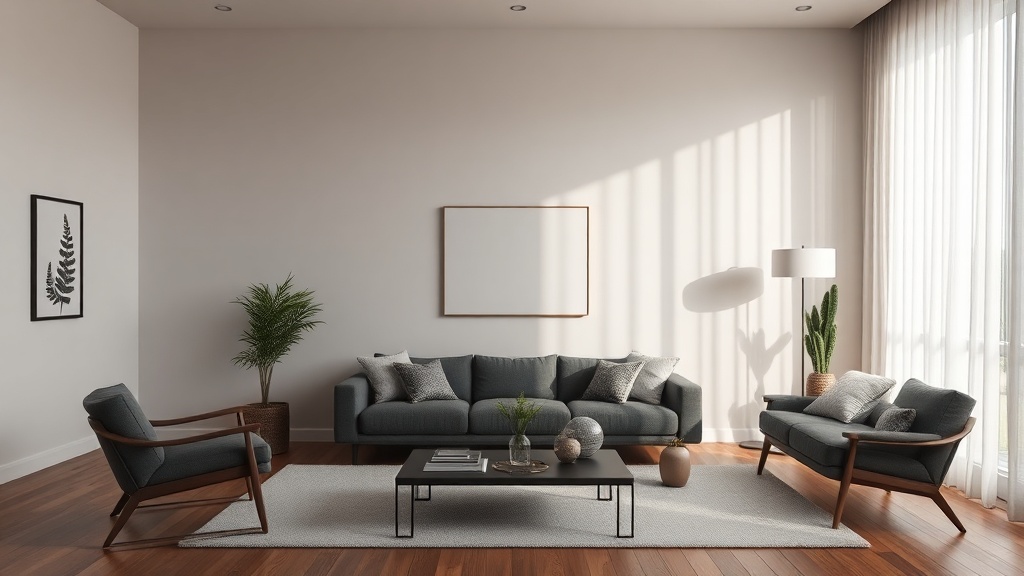
Most people believe that a "clean" look requires the removal of everything that doesn't serve a singular, functional purpose. They chase the sterile, white-walled vacuum of modern minimalism, thinking that a lack of visual noise equals a sense of calm. In reality, a room devoid of character is often just cold. A space without a sense of history—or even a sense of use—feels less like a home and more like a showroom. True comfort doesn't come from a lack of objects; it comes from the right arrangement of objects that possess weight, texture, and a hint of imperfection.
The mistake isn't the presence of stuff; it's the lack of intention. When we see a room that feels "too much," it's rarely because there are too many things. It's because those things are disconnected. They lack a common thread of materiality or a shared visual language. You don't need fewer items; you need more meaningful ones. A well-curated shelf isn't a void waiting to be filled with trendy ceramic vases; it's a display of things that actually matter to the person living among them.
Can You Mix Different Decor Styles?
The short answer is yes, and you absolutely should. The fear of mixing styles often stems from a misunder way of thinking about "themes." People worry that a mid-century modern chair won't sit well next to a heavy, Victorian-era wooden coffee table. But a home shouldn't feel like a museum exhibit or a single-period catalog. A single-period home feels stagnant. It lacks the tension that makes a space feel lived-in.
To pull this off, look for a common denominator. It might be a color palette, a specific material, or even a certain level of formality. If you have a sleek, low-profile sofa, you can pair it with a vintage rug that has a worn, organic texture. The contrast creates a visual dialogue. The tension between the smooth upholstery and the frayed wool of the rug is exactly what gives the room its soul. If everything matches perfectly, the eye has nothing to catch on. It just slides right off the room.
Consider the weight of your furniture. A heavy, dark wood table needs a counterbalance. Perhaps it's a lighter, more delicate lamp or a piece of art with a thin, dark frame. This isn't about following a rulebook; it's about managing the visual gravity of your pieces. If every piece in the room is heavy, the room feels oppressive. If everything is light, it feels flimsy. The goal is a balance of mass and lightness.
How Do I Add Texture Without Clutter?
Texture is the secret weapon of interior design. It’s the difference between a room that looks flat in a photograph and one that feels three-dimensional in person. When people talk about clutter, they are usually talking about visual noise—too many small, brightly colored, or high-gloss items scattered about. Texture, however, is about the tactile quality of surfaces.
To add depth without adding "stuff," focus on the materials of your larger surfaces. Instead of a plain cotton cushion, try a heavy linen one. Instead of a smooth wooden sideboard, look for something with a visible grain or a hand-carved detail. You can even use paint to add texture. A lime wash or a subtle plaster finish on a wall adds a layer of depth that a flat coat of latex paint simply cannot achieve. This adds visual interest without taking up a single square inch of floor space.
A good way to approach this is through the "rule of three" materials. In any given corner or surface, try to include something matte, something shiny, and something textured. A marble tray (shiny), a linen napkin (matte), and a wooden bowl (textured) create a small, sophisticated vignette. It's a way to build complexity without ever feeling like you've lost control of the space.
Is It Better to Buy High-End or Vintage?
This is a question of longevity versus immediate gratification. The modern consumer is often trapped in a cycle of buying "fast furniture"—pieces that look fine for a year or two but lack the structural integrity to survive a decade. These pieces are often made of composite materials that feel hollow and sound thin. They lack the heft that a well-made piece of furniture possesses.
I often argue that a single, well-made vintage piece is worth more than five pieces of modern, mass-produced furniture. There is a certain dignity in an object that has survived time. Whether it's a solid oak table or a heavy brass lamp, these items have a way of grounding a room. They act as anchors. When you shop for second-hand or vintage, you aren't just buying a product; you're buying a piece of craftsmanship that was built to endure.
"Design is not just what it looks like and feels like. Design is how it works." — This sentiment applies to your home too. A piece of furniture that is beautiful but uncomfortable is a failure of design.
If you find yourself leaning toward a newer, more modern aesthetic, don't be afraid to mix in these older, sturdier pieces. The juxtaposition of a contemporary, clean-lined lamp against a weathered, antique desk creates a sense of time and place. It tells a story that a brand-new showroom simply can't tell. For more on the history of craftsmanship and how to spot quality, I often recommend exploring the archives at The Victoria and Albert Museum.
Ultimately, your home should be a reflection of your own idiosyncratic tastes, not a carbon copy of a social media feed. Don't be afraid of a little chaos. A well-lived-in home is a messy, beautiful, layered thing. It's a collection of stories, textures, and histories that come together to create a space that actually feels like you. If you want to learn more about the principles of color and light in a space, Architectural Digest remains a gold standard for visual inspiration.