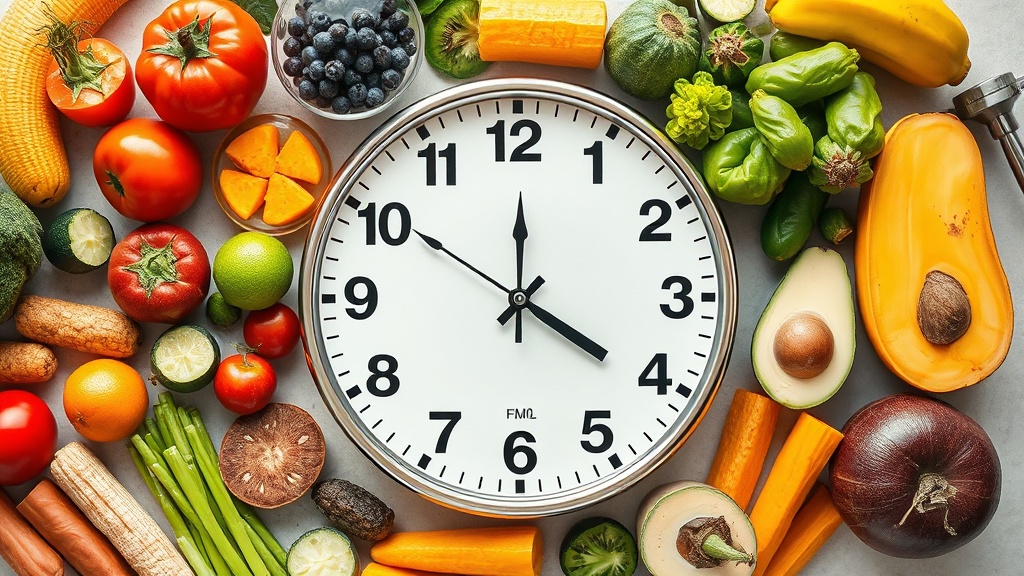
Top 10 Lifestyle Trends for 2026: Bio‑Harmony Eating Patterns Aligned with Your Circadian Rhythm

Top 10 Lifestyle Trends for 2026: Bio‑Harmony Eating Patterns Aligned with Your Circadian Rhythm
Hook: Imagine waking up, feeling instantly refreshed, and powering through the day because every bite you took was timed to your internal clock. That’s the promise of bio‑harmony eating — the newest wave of nutrition that treats your body like a well‑tuned orchestra rather than a chaotic kitchen.
Why does the timing of your meals matter?
Your circadian rhythm is the 24‑hour biological clock that regulates hormone release, metabolism, and even brain function. Research from the Harvard Medical School Chronobiology Lab shows that eating at odds with this rhythm can impair glucose tolerance and increase inflammation. In 2026, designers of health‑focused lifestyles are leaning into bio‑harmony: meals planned around the natural peaks and troughs of your body’s chemistry. The core principle remains — align food intake with your internal clock.
1️⃣ What is Bio‑Harmony?
Bio‑harmony blends personalized nutrition with chronobiology. It asks two simple questions: When should you eat, and what foods support the physiological state of that hour? The answer varies by individual genetics, sleep patterns, and activity levels, but the core principle remains — align food intake with your internal clock.
2️⃣ How can I discover my personal circadian profile?
- Chronotype quizzes — Tools like the Munich Chronotype Questionnaire classify you as a “lark,” “owl,” or “intermediate.”
- Wearable data — Modern smartwatches now provide sleep‑stage and heart‑rate trends that map your daily rhythm.
- Blood‑spot tests — Companies such as Thorne offer at‑home kits that reveal hormone levels influencing optimal eating windows.
“Understanding your chronotype is the first step toward a diet that doesn’t fight your biology.” — Julian Voss
3️⃣ Which meals should I prioritize at different times?
Morning (6 am — 10 am)
- Protein‑rich breakfasts (e.g., eggs, Greek yogurt) boost cortisol‑driven metabolism.
- Low‑glycemic carbs (steel‑cut oats, berries) sustain energy without spiking insulin.
Mid‑day (12 pm — 2 pm)
- Complex carbs (legumes, quinoa) pair with peak digestive enzyme activity.
- Healthy fats (avocado, nuts) support the post‑lunch dip in alertness.
Evening (6 pm — 9 pm)
- Light, easily digestible meals (soup, steamed veg) respect the body’s wind‑down phase.
- Avoid heavy proteins that can delay melatonin release.
4️⃣ What are the top 10 bio‑harmony trends shaping 2026?
| # | Trend | Why it matters |
|---|---|---|
| 1 | Chrono‑Meal Kits — Subscription boxes timed to arrive at your optimal eating window. | Guarantees freshness and timing. |
| 2 | Smart Plate Sensors — Plates that glow when it’s your ideal time to eat. | Turns the kitchen into a subtle cue system. |
| 3 | Personalized Meal‑Timing Apps — AI‑driven planners that sync with your calendar and sleep data. | Removes guesswork. |
| 4 | Circadian‑Friendly Ferments — Sauerkraut, kimchi, and kombucha timed to boost gut microbes when they’re most active. | Supports the gut‑brain clock. |
| 5 | Morning Light‑Boosted Smoothies — Formulated with vitamin D and L‑theanine to harness sunrise light exposure. | Enhances mood and focus. |
| 6 | Evening “Wind‑Down” Teas — Herbs like chamomile and valerian aligned with melatonin surge. | Promotes deeper sleep. |
| 7 | Bio‑Rhythmic Snack Bars — Low‑sugar bars designed for the mid‑afternoon dip. | Stabilizes energy. |
| 8 | Time‑Locked Kitchen Appliances — Smart ovens that only unlock during your designated cooking window. | Prevents late‑night bingeing. |
| 9 | Circadian‑Aligned Food Labels — QR codes that reveal the optimal consumption window for each product. | Educates at point‑of‑sale. |
| 10 | Community Chrono‑Challenges — Social groups that track collective adherence to bio‑harmony schedules. | Turns health into a shared design project. |
5️⃣ How does bio‑harmony intersect with design?
Design is about intentional gestures — the same philosophy that drives bio‑harmony. Think of the Bread‑Bag Clip Principle: a tiny detail that holds everything together. In nutrition, the timing of a bite is that tiny clip, keeping your metabolic rhythm intact.
Similarly, the Invisible Standard of Helvetica teaches us about universal systems that work quietly in the background — exactly what circadian‑aligned eating aims to achieve.
6️⃣ What are common pitfalls and how to avoid them?
- Skipping breakfast — Even a light protein snack can reset the morning metabolic surge.
- Late‑night carbs — They suppress melatonin, making sleep elusive.
- One‑size‑fits‑all plans — Your chronotype dictates when you should eat, not just what.
“Treat your day like a well‑designed layout: every element has a purpose and a place.” — Julian Voss
Takeaway
Start by identifying your chronotype, then experiment with the morning‑protein, mid‑day‑complex‑carb, evening‑light‑meal framework. Use a simple app or a smart plate to remind you, and watch your energy, focus, and mood sync like a perfectly kerned typeface.
Related Reading
- The Bread‑Bag Clip Principle: Why Design’s Smallest Gestures Are Its Most Honest — A look at how tiny details shape the whole experience.
- The Invisible Standard: Why Helvetica Still Owns the Room — On universal systems that work quietly.
- Vignelli Subway Map: Why the 1972 Diagram Endures Today — Mapping information for intuitive navigation, just like mapping meals to your clock.
FAQ (Rich Results)
{ "meta": { "faqs": [ {"question": "What is bio‑harmony eating?", "answer": "Bio‑harmony eating aligns meals with your circadian rhythm, matching food types and timing to your body’s natural metabolic peaks."}, {"question": "How do I find my chronotype?", "answer": "Take an online chronotype quiz, review wearable sleep data, or use at‑home hormone tests to discover whether you’re a lark, owl, or intermediate."}, {"question": "Can I start bio‑harmony without fancy gadgets?", "answer": "Yes—track your natural energy highs and lows for a week, then schedule protein‑rich breakfasts, complex‑carb lunches, and light dinners accordingly."} ] } }