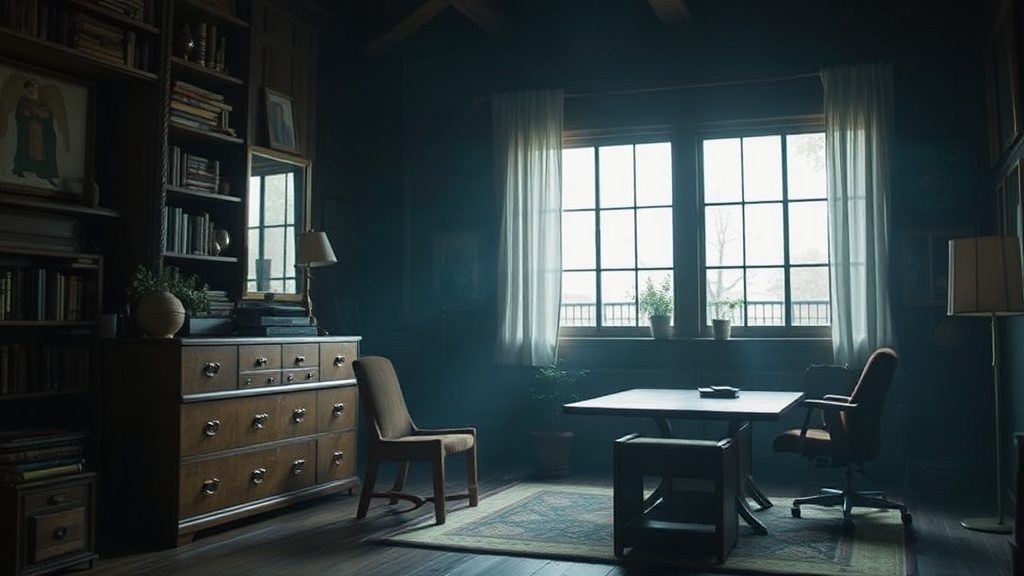
The Weight of Wood: Selecting Furniture That Lasts Decades

Imagine walking into a room where every piece of furniture feels like it was placed there by a ghost—weightless, temporary, and easily replaceable. A flat-pack coffee table sits on a thin veneer, looking slightly out of place the moment a coffee ring touches it. This is the symptom of a home designed for the present moment rather than the next twenty years. Selecting furniture isn't about finding a look; it's about understanding the density, the grain, and the structural integrity of the objects you live with. When you choose well-made pieces, you aren't just buying furniture; you're investing in the physical history of your home.
What Makes Furniture High Quality?
The distinction between a piece that lasts a season and one that lasts a generation lies in the details that most people overlook during a quick showroom stroll. First, look at the joints. If you see staples or simple glue holding a frame together, walk away. Real quality is found in mortise and tenon joinery or dovetail joints—the kind of craftsmanship that allows wood to expand and contract with the seasons without splitting. A well-made drawer should slide with a certain resistance and a satisfying weight, not a flimsy click.
Material composition is your second indicator. Solid wood, unlike wood veneer or particle board, possesses a structural honesty. While veneer has its place in high-end marquetry, for your primary seating or dining surfaces, solid hardwoods like oak, walnut, or maple offer a durability that man-made composites simply can't match. You can research the specific properties of different timber types through resources like the Wood Bible to understand how grain direction affects the strength of a tabletop.
- Weight: A solid wood table should feel substantial when moved.
- Texture: Run your hand along the edges. High-quality pieces have sanded, smooth transitions, not rough or jagged edges.
- Hardware: Check the weight of the drawer pulls or hinges. Heavy, metal hardware suggests a maker who didn't cut corners.
Does Solid Wood Last Longer Than Veneer?
The short answer is yes, but the nuance is in how you treat it. Solid wood is a living material. It breathes. It reacts to the humidity in your house. A solid wood dining table might develop a patina or a slight scratch over ten years, but those marks are part of its story. A veneer piece, however, often fails catastrophically; once the thin layer of wood peels away from the particle board underneath, the piece is effectively dead. You can't easily repair a delaminated surface.
If you are looking for longevity, focus on the skeleton of the piece. A chair with a solid hardwood frame will stand long after a chair with a plastic or composite core has begun to wobble. This is especially true for high-use items like dining chairs or side tables. If the piece feels light or hollow, it likely won't survive a decade of heavy daily use. The physics of a room change as you add weight; a room filled with heavy, solid objects feels grounded and intentional, whereas a room of light, hollow objects feels transient.
How Do I Spot Cheaply Made Furniture?
Most people identify cheap furniture by its price tag, but the real tell is the finish. Cheaply made pieces often use a heavy, thick plastic-like lacquer to hide the imperfections of the wood or the lack thereof. This finish looks shiny and perfect under showroom lights, but it lacks depth. When you see a surface that looks almost too perfect—like a sheet of plastic—be suspicious. Real wood has a grain that should be visible through the finish, not buried under a layer of synthetic coating.
Another red flag is the use of "fasteners" instead of "joinery." If you see visible screws on the outside of a wooden frame, the manufacturer was prioritizing speed over aesthetics. High-quality furniture hides its construction. The beauty should be in the assembly itself. Take a moment to look at the underside of a table or the back of a cabinet. If the back of a cabinet is made of thin, flimsy cardboard or flimsy plywood, it’s a sign that the manufacturer is prioritizing the "front" view while sacrificing the structural integrity.
"Design is not just what it looks like and feels like. Design is how it works." — This applies to the very structural integrity of your home's foundation.
When shopping, I always suggest checking the weight. If a salesperson tells you a piece is "lightweight and easy to move," they are actually telling you it lacks the density required for long-term durability. A truly great piece of furniture should demand a bit of effort to move. It should feel like an anchor in your living space. For more technical specifications on wood density and durability, the FAO forestry resources provide deep insights into material science.
The goal isn't to own a museum of perfect objects, but to surround yourself with things that have the capacity to age gracefully. A scratch on a solid oak table can be sanded and refinished; a crack in a particle board desk is a permanent scar. Choose the material that can handle the reality of living. Your future self—and your home—will thank you for the substance.