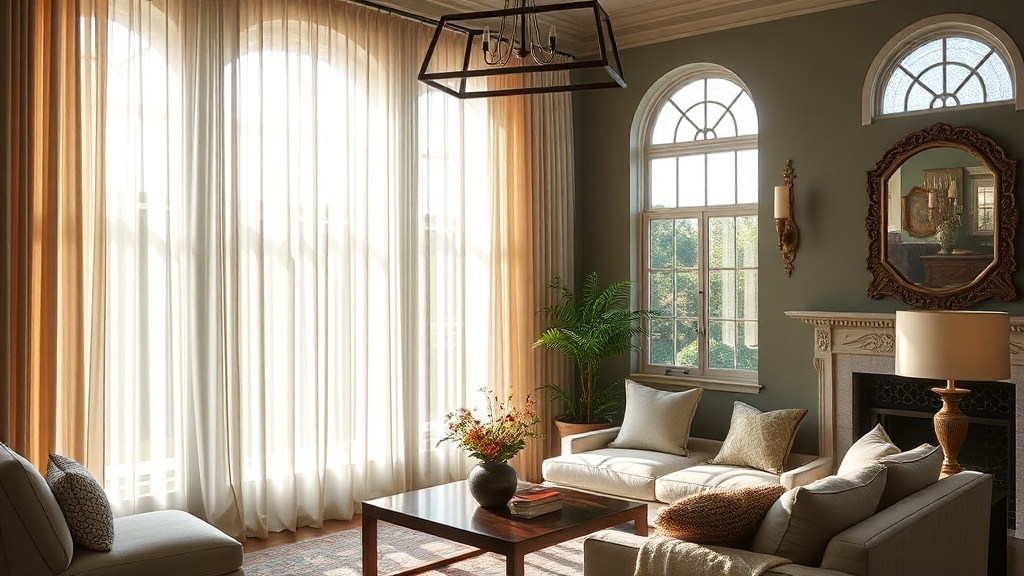
The Weight of Light: Choosing Window Treatments That Define a Room

Imagine walking into a room where the afternoon sun hits a bare window, sending a harsh, blinding glare across a wooden table. The light is aggressive, stripping the warmth from the wood and making the space feel unfinished—almost naked. This isn't a failure of furniture or paint; it is a failure of light management. Window treatments are the final layer of a room's architecture, yet most people treat them as an afterthought, a mere way to block a view or satisfy a neighbor. In reality, a curtain or a blind is a sculptural element that dictates the mood, the acoustics, and the perceived height of your ceilings.
A room without proper window dressings feels unanchored. You might have a hand-knotted rug and a heavy velvet sofa, but if the light entering the room is unrefined, the entire composition falls apart. We aren't just talking about privacy; we are talking about how light interacts with your textiles. A sheer linen drape can soften a sharp shadow, while a heavy blackout curtain can turn a bright breakfast nook into a moody, contemplative sanctuary. The choice between a Roman shade, a heavy drape, or a simple blind isn't just functional—it's a decision about the soul of the room.
How much height should curtains add?
One of the most common mistakes I see—and one that even seasoned decorators slip up on—is hanging the curtain rod too low. If you hang your rod directly on the window frame, you are visually cutting your wall in half. This makes the ceiling feel lower and the room feel cramped. To create a sense of scale, you should hang your hardware high—ideally a few inches below the crown molding or even right at the ceiling line. This draws the eye upward, creating an illusion of height that feels intentional and grand.
When it comes to the length of the fabric, you have two distinct paths. The first is the "hover" method, where the fabric sits just a fraction of an inch above the floor. This works well for a clean, modern look, but it can sometimes feel a bit clinical. The second, and my personal preference, is the "puddle." Allowing a bit of extra fabric to rest on the floor adds a sense of weight and luxury. It suggests that the room is lived-in and that the materials are substantial. If you are using a heavy velvet, a slight puddle looks deliberate and expensive; if you are using light linen, a puddle can feel a bit messy if not executed with precision.
What fabric works best for different rooms?
The material you choose dictates the functionality of the window. In a bedroom, you likely want something that manages light and sound. A heavy, thick fabric like velvet or a heavy-duty linen-blend provides a sense of enclosure and quiet. In a living area, you might prefer something that allows light to filter through in a way that creates a soft, ambient glow. This is where a sheer voile or a light linen excels. It breaks up the directness of the sun without making the room feel dark or cave-like.
Consider the seasonal aspect of your home. A room with heavy, dark drapes might feel cozy in a London winter, but it could feel suffocating in a bright, humid summer. A clever way to handle this is through layering. By pairing a sheer curtain with a heavier drape, you gain control over the room's atmosphere throughout the year. You can have the light-filtering transparency during the day and the total opacity of the heavier fabric during the evening. It’s about having a toolkit of textures to play with.
| Material | Best For | Effect |
|---|---|---|
| Linen | Living/Dining | Natural, relaxed, soft light |
| Velvet | Bedroom/Study | Formal, heavy, light blocking |
| Silk/Sheer | Morning Rooms | Ethereal, bright, airy |
| Cotton | Kitchen/Nook | Practical, clean, structured |
For those looking for more technical guidance on textile durability and lightfastness, the Architectural Digest often features discussions on high-end drapery-making, which is a great place to see how scale affects a space. Understanding the grain and weight of a fabric is just as important as the color.
Do blinds or curtains look better in a modern room?
This is a false dichotomy. The truth is that the most interesting rooms often use both. A sleek, wooden Venetian blind provides a structured, architectural element that works beautifully in a kitchen or a home office. It creates a rhythmic pattern of light and shadow on the floor. However, if you leave a room with only blinds, it can feel a bit stark—almost like an office. Adding a soft, floor-to-ceiling curtain over the blinds adds the much-needed warmth and softness that turns a "space" into a "home."
If you want to maintain a minimalist aesthetic, look for Roman shades. They offer the structure of a blind but the softness of a fabric. They fold up in elegant, horizontal pleats, which adds a geometric interest to the window without the harshness of a single pane of glass. It is a way to maintain a clean line while still respecting the need for texture. If you're interested in the history of how these elements evolved, the Vogue archives often touch on the intersection of textile history and interior design.
Ultimately, don't be afraid of weight. A room that is too light, too airy, or too "sheer" can feel flighty and unsubstantial. A well-chosen window treatment acts as an anchor. It provides the visual weight necessary to ground your furniture and complete the narrative of the room. Whether you are looking for the dramatic sweep of a heavy drape or the quiet elegance of a linen shade, remember that you are not just covering a window—you are sculpting the light itself.