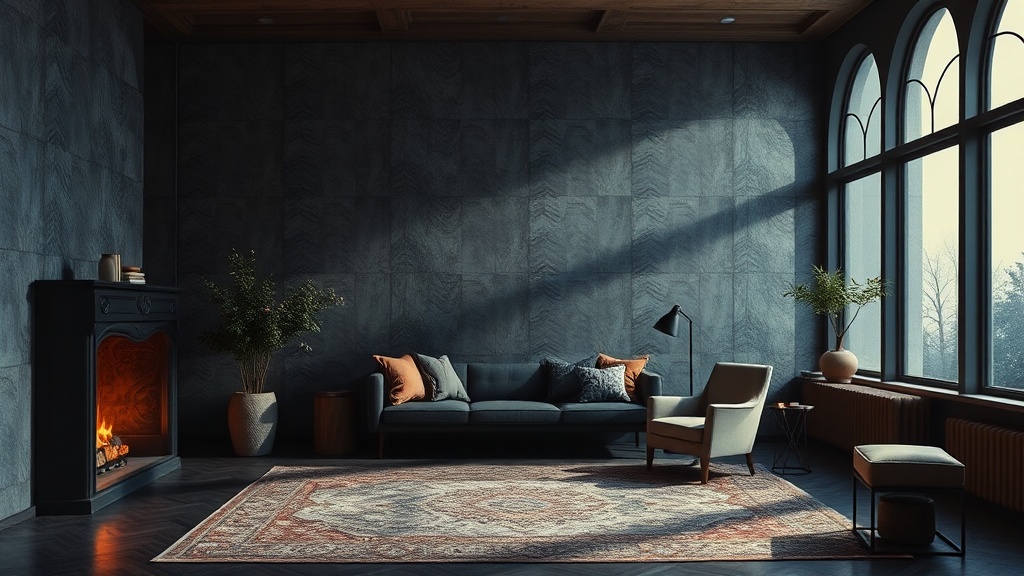
The Geometry of Grace: Building a Lasting Interior Narrative

The Geometry of Grace: Building a Lasting Interior Narrative
Over 9 million tons of furniture ends up in landfills annually in the United States alone—a stark figure that underscores a prevailing disconnect in our relationship with the objects that shape our living spaces. This guide explores an alternative approach: the conscious cultivation of interiors built not on fleeting trends, but on enduring principles of grace, integrity, and personal resonance. We'll examine how a discerning eye for design—rooted in historical consciousness and a preference for authentic craft—can create spaces that truly reflect and sustain us, eschewing the disposable for the truly lasting.
What defines truly lasting design?
Lasting design, at its core, isn't about being immune to time; it's about gracefully accommodating its passage. It’s a quiet conversation between form and function, a meticulous consideration of proportion, materiality, and the intrinsic quality of an object. Consider the simple elegance of a Shaker chair or the restrained lines of a classic mid-century modern credenza. These aren't designs that shout for attention; instead, they command respect through their inherent balance, their thoughtful construction, and their capacity to adapt to changing contexts and lives without losing their innate dignity.
True design endurance stems from an internal logic—a kind of geometric grace where every element feels perfectly placed and purposeful. It’s a rejection of superficial adornment in favor of honest expression. Think of the way light falls across a carefully chosen texture, or the subtle weight of a well-made drawer pull. These aren’t details added for show; they’re integral to an object’s being, contributing to its story and its tactile truth. When a piece is conceived with such clarity, its beauty doesn't diminish; it deepens, gaining character and narrative power with each passing year.
“The true artist helps the world by exposing mystic truths.” — Bruce Nauman. Perhaps in design, the mystic truth is the quiet integrity of something made to last, a rebellion against the superficial.
How do we discern enduring quality from passing fads?
Distinguishing lasting quality from transient fashion requires training one's eye and instincts. A trend often arrives with fanfare, a bold statement designed to captivate quickly, only to fade as quickly. Enduring quality, by contrast, whispers. It’s felt in the heft of solid wood, the precise joinery of a cabinet, the deep luster of natural materials that develop a rich patina rather than simply wearing out. Superficiality reveals itself in flimsy construction, synthetic materials mimicking natural ones, or finishes that betray their temporary nature the moment they’re scratched.
Developing this discernment means slowing down the buying process. Instead of impulse purchases driven by glossy advertisements, we must become careful investigators. Ask about provenance—where did it come from? Who made it? What materials did they employ, and how? This inquiry isn’t about snobbery; it’s about understanding the journey of an object, its narrative before it reaches your space. When you invest in a piece with a known history of good design and careful construction, you’re not just acquiring furniture; you're adopting a piece of material culture designed to outlast the season’s latest dictate. For a deeper dive into the timeless principles that govern superior design, exploring resources like the