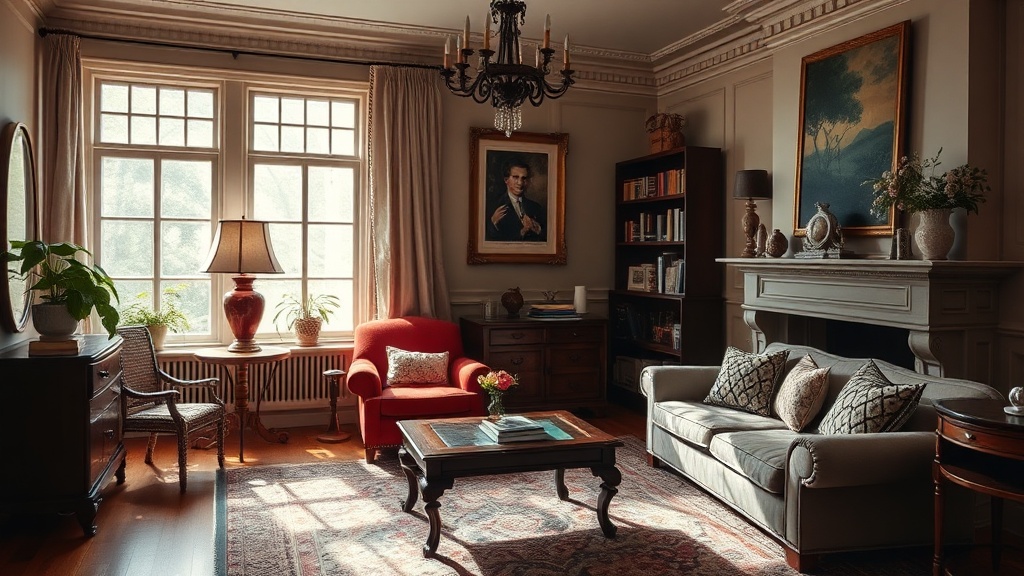
The Enduring Appeal of Inherited Pieces: A Guide to Thoughtful Integration

Does your home lack a sense of history—a story whispered through its furnishings?
Many of us find ourselves amidst mass-produced items, searching for that elusive character which transforms a house into a truly resonant home. It’s a common dilemma: how do you infuse a space with soul, with narrative, without resorting to fleeting trends? The answer, I suggest, lies in the deliberate, thoughtful integration of inherited and vintage furniture. This isn't about replicating a bygone era, but rather about weaving the past into the present, creating a dialogue between the enduring craft of yesteryear and the sleek lines of contemporary design. This guide will help you understand how to select, identify, and harmonise these unique pieces, ensuring your home feels both personal and impeccably curated.
For too long, the pursuit of a 'modern' aesthetic often meant stripping away anything that hinted at age. But there's a growing appreciation for pieces that carry a patina of time, an inherent warmth that new furniture simply can't replicate. A well-chosen antique isn't just an object; it’s a fragment of history, a testament to materials, skill, and design principles that transcend the immediate moment. It challenges the disposable nature of much contemporary consumption, advocating instead for longevity and inherent beauty. As a former London agency strategist who found greater meaning amidst the carefully stacked volumes of a design bookstore, I can attest to the profound satisfaction that comes from living with items chosen for their intrinsic worth, not just their fleeting popularity.
Where Do You Even Begin to Find Genuine Vintage Pieces?
The hunt for the perfect vintage piece can feel daunting, a labyrinth of antique fairs, online marketplaces, and forgotten corners of auction houses. But armed with a discerning eye and a little knowledge, you can uncover true treasures. Start by looking for local antique markets and reputable second-hand furniture dealers. They often have an inventory that’s been vetted, and you can physically inspect the items—an absolutely invaluable step.
When you're out exploring, what should you actually look for? Focus on construction. Truly old furniture, especially pieces from the 18th and 19th centuries, often boasts hand-cut dovetail joints—these will be irregular, imperfect, revealing the touch of a craftsman, not a machine. Examine the wood: is it solid hardwood like oak, mahogany, or walnut? Look for signs of age that are consistent across the piece: an even patina, wear patterns that make sense given typical use, and original hardware. If you see Phillips head screws on a piece supposedly from the 1700s, you’re likely looking at a reproduction. Authentication can be a complex field, and resources like the