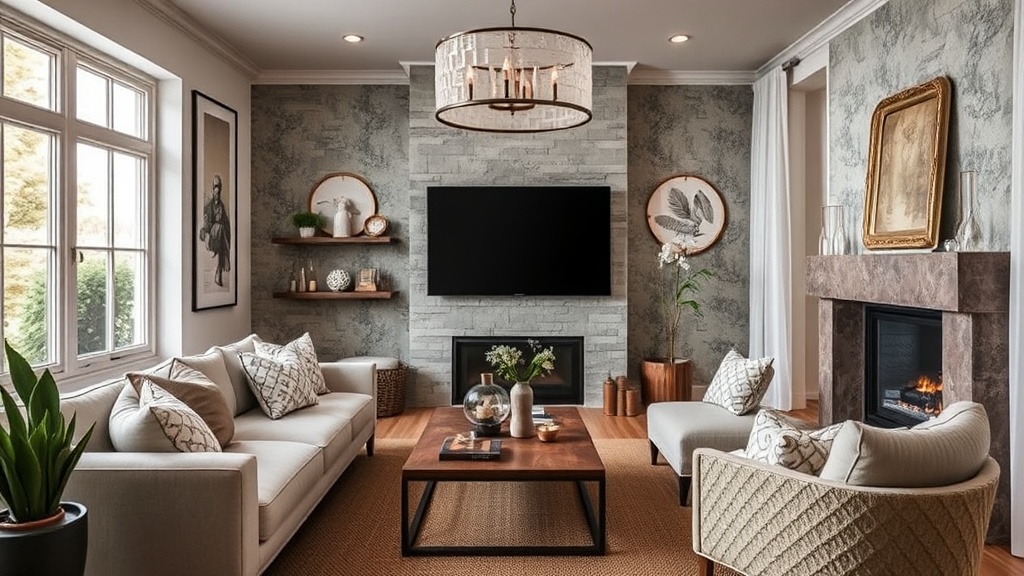
The Art of Layering Textures for a Cozy, Designer-Look Home

Quick Tip
Combine at least three different textures in every room—such as smooth leather, rough jute, and soft wool—to create visual interest and tactile warmth.
What Is Texture Layering and Why Does It Matter?
Texture layering transforms flat, lifeless rooms into spaces that beg to be touched and lived in. By combining materials—rough with smooth, matte with glossy, natural with refined—you create visual depth that makes a home feel curated rather than decorated. The result isn't just cozy. It's sophisticated.
Here's the thing: texture works subconsciously. A room with varied surfaces catches light differently throughout the day, shifts shadows, and keeps the eye moving. Without it, even the most expensive furniture reads as flat. With it, a budget sofa and vintage finds feel like a Homes & Gardens spread.
How Do You Mix Textures Without Creating Chaos?
Start with a neutral base and layer contrasting materials in odd numbers—three to five distinct textures per room usually hits the mark.
The rule isn't complicated. Combine one rough natural texture (linen, jute, raw wood), one smooth refined option (velvet, leather, polished metal), and one woven or knitted element. The contrast creates tension. The tension creates interest.
Worth noting: scale matters. A chunky knit throw on a sleek leather sofa works because the proportions fight. Two equally chunky textures side by side just look heavy. The West Elm Harmony modular sofa in performance bouclé pairs beautifully with a thin brass side table for exactly this reason—the fabrics grab attention while the metal provides visual breathing room.
Which Textures Work Best in Living Spaces?
Living rooms benefit from a balance of hard and soft, warm and cool materials that invite both conversation and relaxation.
| Texture Category | Warm Options | Cool Options | Best Used For |
|---|---|---|---|
| Natural Fibers | Jute, sisal, wool | Linen, cotton | Rugs, throws, upholstery |
| Hard Surfaces | Raw oak, terracotta | Marble, polished concrete | Tables, planters, accents |
| Metallics | Brass, copper | Chrome, nickel | Lighting, hardware, frames |
| Woven Materials | Rattan, cane | Seagrass, rope | Chairs, baskets, pendants |
The catch? Don't scatter these randomly. Group textures by function—a reading corner might layer a sheepskin over a rattan chair with a wool throw nearby. The materials talk to each other without competing.
Can You Layer Textures on a Budget?
Absolutely. Some of the most effective texture combinations come from unexpected, inexpensive sources.
Thrift stores are goldmines for worn leather, vintage ceramics, and woven baskets with real patina. The IKEA LISABO dining table in ash veneer costs under $200 but brings genuine wood grain into a room. Pair it with mismatched vintage chairs—some painted, some raw wood—and suddenly you've built texture through contrast, not cash.
"The best rooms never look 'done.' They look collected over time—which means starting with what you have and adding slowly."
That said, invest where it counts. A single high-quality linen duvet from Parachute outlasts three cheap polyester alternatives and ages beautifully. The slubbed texture becomes part of the story.
Quick Wins for Instant Texture
- Swap glossy photo frames for weathered wood or hammered metal
- Add a single vintage Turkish kilim over a plain rug (layering rugs isn't just allowed—it's encouraged)
- Drape a heavy Belgian linen curtain over a standard rod instead of flat panels
- Cluster three ceramic vases in different finishes—matte white, glazed terracotta, raw stoneware—on a single shelf
Texture isn't about following rules. It's about creating spaces that feel lived-in, layered, and uniquely yours. Start with one contrast. Build from there.