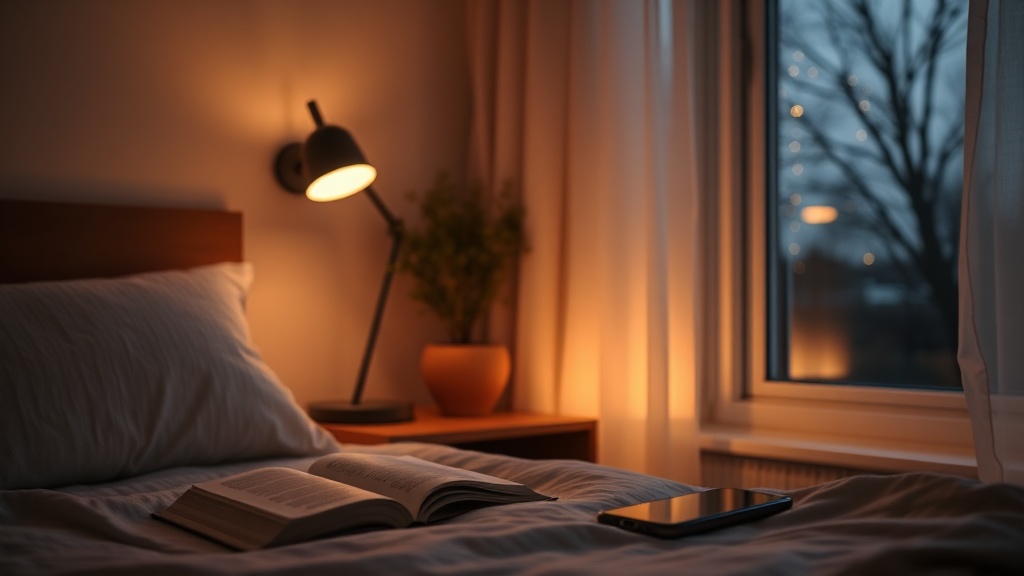
Spring Digital Detox: Simple Steps for Better Sleep

Why does daylight‑saving time make us reach for our phones?
When the clocks spring forward we lose an hour of sleep, throwing our circadian rhythm off‑balance. Many of us instinctively turn to screens for a quick dopamine hit before bed. A recent APA‑published survey found that 68% of adults report increased screen time after the March time change. Blue light, endless scrolling, and notifications all conspire to delay melatonin production, leaving us tossing and turning.
What low‑effort habits can cut evening screen use?
In my own practice the smallest adjustments often have the biggest impact. Below are five steps that cost less than a minute to implement but pay dividends in sleep quality.
- Set a “tech curfew.” Choose a concrete time—say 8 p.m.—and lock your phone in a drawer. I keep a brass bread‑bag clip on the drawer as a tactile reminder that the habit is intentional, not punitive.
- Swap scrolling for a ritual. Replace the last 15 minutes of screen time with a physical activity: a short stretch, a page of a book, or a walk under the spring twilight. The rhythm of movement signals to your nervous system that it’s time to wind down.
- Dim the light, not the screen. If you must use a device, activate night mode and pair it with a warm bedside lamp. The AASM notes that warm light reduces melatonin suppression compared with blue‑rich LEDs.
- Curate your bedroom aesthetics. A clutter‑free space with muted colours reduces visual noise. I recently replaced a glossy poster on my nightstand with a matte, monochrome print—a tiny design decision that eases the eye before sleep.
- Use a physical alarm. Ditch the phone alarm and opt for a classic analog clock. The tactile click of a hand‑wound mechanism is a subtle cue that the day is ending, not a buzzing reminder of tomorrow’s to‑do list.
How does a digital detox intersect with good design?
Design isn’t just about aesthetics; it’s about intentional gestures. The same principles that make a typeface honest also apply to our evening routines. When I designed the layout of my design bookstore I deliberately limited signage to a handful of well‑chosen words. That restraint translates to the bedroom: fewer visual stimuli = a calmer mind. As I wrote in “She Designed Your Screen”, the most powerful interfaces are those you barely notice.
What does the data say about sleep improvements after a digital detox?
According to the 2026 screen‑time report, adults who reduced evening screen exposure by just 30 minutes saw a 15% increase in sleep efficiency within two weeks. Another study in the Journal of Clinical Sleep Medicine linked bedtime phone use to longer sleep latency and greater daytime fatigue, especially for users under 41.
What common pitfalls should I avoid?
- Replacing phone time with another screen. A tablet or TV still emits blue light. Stick to non‑digital activities.
- Setting a curfew without a backup plan. If you lock your phone and then stare at the ceiling you’ll feel restless. Have a fallback activity ready.
- Thinking one night is enough. Consistency beats intensity. A steady 15‑minute read each night builds a habit faster than a marathon weekend binge.
What’s the next step after you’ve reclaimed your evenings?
Use the reclaimed time to nurture the things that inspire your design practice: sketch a new typeface, photograph a Brutalist façade, or simply enjoy the quiet of a spring night. The payoff isn’t just better sleep; it’s a deeper, more intentional relationship with the visual world.
Takeaway
Daylight‑saving time doesn’t have to hijack your sleep. By setting a tech curfew, swapping scrolling for a tactile ritual, and applying the disciplined aesthetics you love in design, you can reset your circadian rhythm and wake up feeling refreshed. Try one step tonight, and watch the ripple effect on your mood, creativity, and overall well‑being.
Related Reading
- Daylight Saving Time 2026: Expert Tips to Reset Your Sleep Schedule — practical sleep‑hygiene advice for the March time change.
- She Designed Your Screen — why the most powerful interfaces are barely noticed.
- The Bread‑Bag Clip Principle — how tiny design gestures can shape habits.