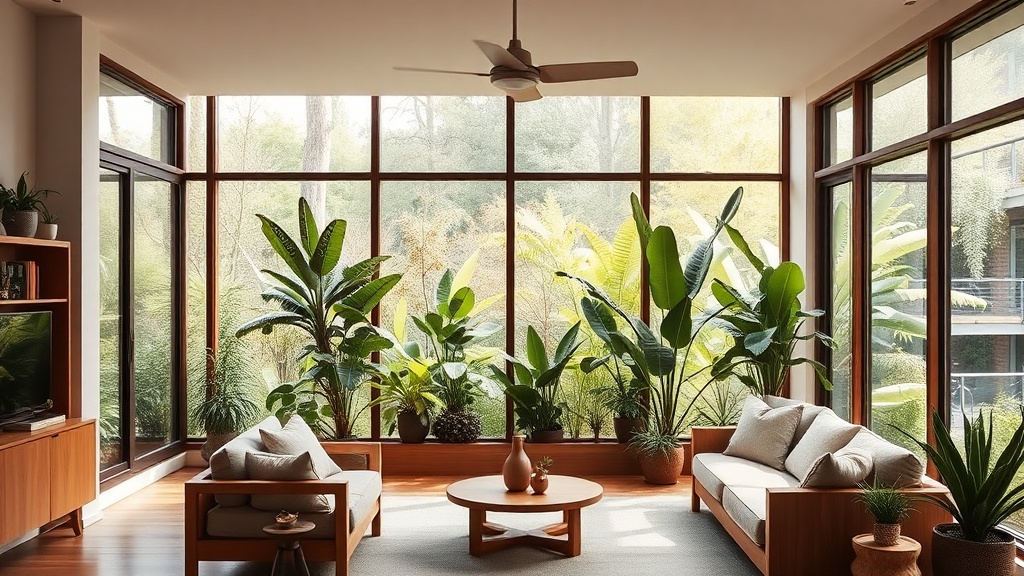
How to Bring Biophilic Design Into Small Urban Apartments in 2026

Why is biophilic design the quiet rebellion against sterile city living?
Because the rush of concrete and glass leaves us craving a hint of the wild. In my Berlin studio, I keep a single fern on my desk — a tiny, stubborn reminder that substance outweighs spectacle. The same principle scales up: when a cramped apartment feels like a breath of fresh air, you’ve succeeded.
What does biophilic design actually mean in 2026?
Biophilic design is more than a plant‑heavy aesthetic. It’s the intentional choreography of light, material, texture, and living elements that echo natural patterns. Recent research from the Home Planner Blog shows that immersive ecosystems — vertical gardens, moss panels, and scent‑rich wood — are now standard in high‑performance interiors.
How can I start small without breaking the bank?
- Micro‑green shelves. A narrow floating shelf holds a row of herb pots. They’re cheap, edible, and double as visual interest.
- Nature‑inspired colour palettes. Choose earth tones — soft greens, warm ochres, and muted stone — rather than the latest neon trend. This aligns with my ugly‑useful ethos: colour that serves mood, not flash.
- Texture swaps. Replace a glossy laminate countertop with a reclaimed wood veneer. The grain tells a story and anchors the space in material honesty.
Which plants survive the fickle rhythms of city apartments?
Not every fern tolerates low light. Here are three hardy candidates:
- Snake Plant (Sansevieria). Thrives on neglect, tolerates low light, and purifies air.
- ZZ Plant (Zamioculcas zamiifolia). Stores water in its rhizomes — perfect for irregular watering.
- Philodendron ‘Brasil’. Adds a splash of lime‑green, loves indirect light, and spreads quickly, filling empty corners.
Can I create a multisensory biophilic experience without a garden?
Absolutely. The Design Middle East notes that 2026 pushes toward multisensory environments. Consider these low‑cost tricks:
- Natural soundscapes. A discreet Bluetooth speaker playing a rainforest loop can mask city noise.
- Organic textures. A wool rug, linen curtains, or a jute pouf adds tactile depth.
- Light modulation. Use sheer curtains to diffuse daylight, mimicking forest canopy shadows.
How does biophilic design intersect with sustainability?
My recent piece on Sustainable Materials Shaping Interior Design in 2026 argues that the best biophilic choices are also eco‑friendly. Reclaimed wood, locally sourced stone, and low‑VOC paints reduce embodied carbon while reinforcing the natural narrative.
What are the measurable health benefits?
Studies from the Ecoist World indicate a 12% reduction in perceived stress and a 9% boost in concentration after three weeks of exposure to biophilic interiors. The data is clear: design that respects the human‑nature link is not a luxury; it’s a well‑being imperative.
How do I keep the design honest when trends shift?
Remember my mantra: Substance over spectacle. Choose elements that age gracefully — think a weathered timber bench rather than a glossy, trend‑driven acrylic piece. When the next design fad arrives, your space will still feel rooted.
Takeaway: Your next step toward a nature‑infused home
Pick one of the three actions below and commit to it this week:
- Place a snake plant on your windowsill and adjust watering to a bi‑weekly schedule.
- Swap a single decorative object for a reclaimed‑wood accent — perhaps a coffee table or a wall‑mounted shelf.
- Install a low‑volume sound module that plays a subtle forest ambience during evenings.
When you’ve completed the step, pause, breathe, and notice the shift. Good design is a series of honest gestures; each small nature‑kiss is a gesture toward a more humane home.
Related Reading
- The Walled Garden Is Architecture’s Most Honest Room — And You Forgot It Has No Ceiling — How enclosing space can amplify natural light.
- Visual Economy in 1950s Swiss Transit Tickets — Lessons in restraint that apply to modern interiors.
- ‘Less But Better’: The Moral Weight of Restraint in Dieter Rams’s Braun — A timeless guide to avoiding design excess.
Steps
- 1
Add a micro‑green shelf
- 2
Refresh your colour palette
- 3
Introduce reclaimed‑wood texture