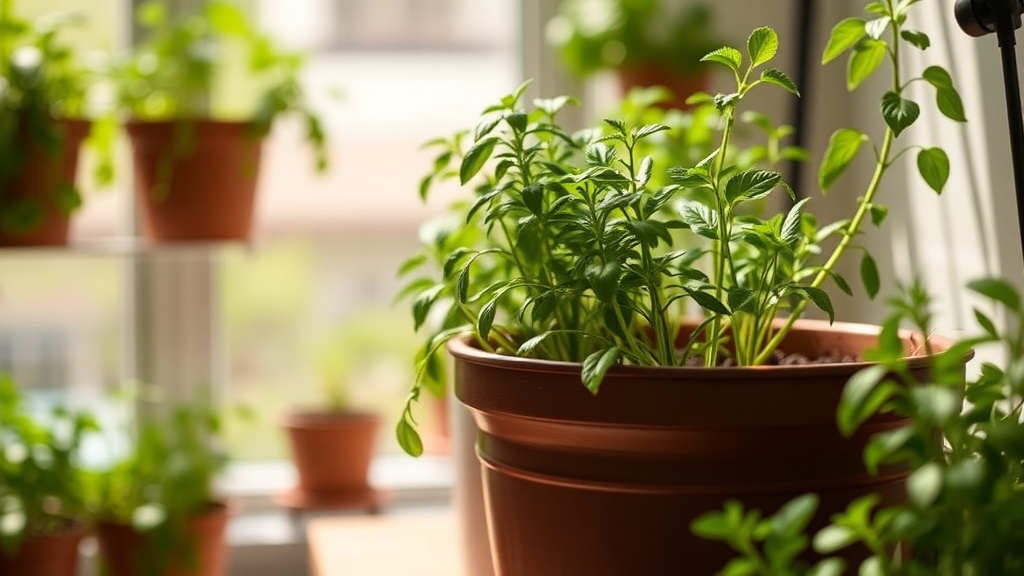
Designing a Low-Maintenance Indoor Herb Garden

The average indoor plant lifespan is often shortened by a single mistake: overwatering. While many enthusiasts attempt to cultivate complex botanical collections, the reality of indoor gardening is that most failures stem from a lack of environmental control rather than a lack of "green thumb" intuition. This guide outlines how to design a low-maintenance indoor herb garden that prioritizes architectural integrity and functional ease, ensuring your culinary herbs serve as both a sensory asset and a durable design element in your home.
Selecting the Right Location
The primary determinant of success for an indoor herb garden is light quality. Herbs are high-energy organisms; they require significantly more luminosity than common houseplants like Pothos or Snake Plants. To design a successful setup, you must evaluate your space based on foot-candles or available hours of direct sunlight.
The South-Facing Window Strategy
In the Northern Hemisphere, south-facing windows provide the most consistent, high-intensity light. If you are designing a garden in a kitchen or dining area, this is the gold standard. Herbs such as Rosemary (Salvia rosmarinus) and Thyme (Thymus vulgaris) thrive in these conditions, as they mimic the Mediterranean environments of their origin. If your space lacks southern exposure, you must incorporate supplemental lighting to prevent leggy, weak growth.
Integrating Full-Spectrum Grow Lights
Do not view grow lights as a compromise; view them as a design tool. Modern LED grow lights, such as the Mars Hydro or SANSI series, offer a sleek, minimalist aesthetic that avoids the harsh, violet hue of older models. A well-placed, slim-profile LED bar can be integrated into the underside of a kitchen cabinet or a custom shelving unit. This allows you to maintain a garden in a north-facing room or a windowless pantry without sacrificing the visual cohesion of your interior design.
Architectural Vessels and Drainage
A common error in indoor gardening is prioritizing the aesthetic of a container over its functional requirements. A beautiful ceramic pot that lacks a drainage hole is a death sentence for most culinary herbs, as it leads to root rot through water stagnation.
The Drainage Imperative
When selecting vessels, ensure they have a single drainage hole at the base. If you find a vintage piece or a high-end ceramic bowl that lacks this feature, use the "double-potting" method. Place the herb in a plastic nursery pot with holes, and then nest that pot inside your decorative vessel. To prevent water from sitting at the bottom of the decorative pot, add a one-inch layer of expanded clay pebbles (LECA) or gravel at the base. This creates a reservoir that prevents the roots from sitting in a saturated environment.
Materiality and Texture
To ensure your herb garden complements your existing decor, consider the materiality of your containers.
- Terracotta: Ideal for Mediterranean herbs like Oregano and Thyme. The porous nature of the clay allows the soil to breathe and helps prevent overwatering.
- Glazed Ceramic: Best for moisture-loving herbs like Mint or Basil. The non-porous surface keeps the soil damp for longer periods.
- Stone or Concrete: Provides a brutalist, modern aesthetic that works well in minimalist kitchens. Ensure these are heavy enough to provide stability for taller herbs like Rosemary.
Curating Your Herb Selection
A low-maintenance garden relies on grouping plants with similar biological requirements. Mixing a drought-tolerant herb with a water-loving one is a recipe for systemic failure. Organize your garden into two distinct categories: "The Dry Group" and "The Damp Group."
The Mediterranean Group (Low Maintenance)
These herbs are highly resilient and can tolerate occasional neglect. They require well-draining soil and bright, direct light.
- Rosemary: A woody perennial that provides vertical structure and a sculptural silhouette.
- Thyme: A low-growing, spreading herb that works well in shallow containers.
- Sage: Offers textured, velvety leaves that add a tactile element to your kitchen window.
- Oregano: Highly adaptable and can be pruned easily to maintain its shape.
The Moisture-Loving Group (Moderate Maintenance)
These herbs require more frequent attention to soil moisture and are better suited for areas with indirect light or supplemental LED support.
- Basil: Needs consistent moisture and warmth. It is a fast grower and should be harvested frequently to prevent it from flowering (bolting).
- Mint: An aggressive grower that should always be kept in its own container to prevent it from overtaking other plants.
- Chives: Extremely hardy and can handle slightly less light than the Mediterranean group.
Substrate and Nutrition
Standard garden soil is too heavy and dense for indoor containers, often leading to compaction and lack of oxygen. For a professional-grade indoor garden, you must use a specialized potting mix designed for drainage and aeration.
The Ideal Soil Composition
Look for a high-quality potting mix that includes perlite or vermiculite. These white, volcanic minerals create air pockets within the soil, ensuring that oxygen reaches the roots. For Mediterranean herbs, I recommend adding a portion of sand or fine gravel to the mix to increase the drainage rate. This mimics their natural, rocky habitats and reduces the risk of rot.
Minimalist Fertilization
Over-fertilizing is a common mistake that leads to excessive foliage growth at the expense of flavor. In an indoor environment, plants grow more slowly than they do outdoors. Use a liquid organic fertilizer, such as Neptune’s Harvest, once every four to six weeks during the growing season (spring and summer). During the winter months, cease fertilization entirely, as the plants' metabolic rates drop significantly due to decreased light levels.
Maintenance and Longevity
To maintain the aesthetic and functional integrity of your herb garden, you must implement a regular maintenance routine. This is not about daily labor, but rather consistent, strategic interventions.
Pruning for Shape and Flavor
Pruning is not just maintenance; it is a design tool. Regular harvesting encourages "bushy" growth rather than "leggy" growth. When harvesting, never remove more than one-third of the plant at a time. For herbs like Basil, pinch off the top sets of leaves just above a leaf node. This forces the plant to branch out, creating a fuller, more aesthetically pleasing shape rather than a single, tall stem.
Managing Pests and Hygiene
Indoor environments can sometimes harbor pests like fungus gnats or spider mites, often introduced via the soil or the plant itself. To prevent this, avoid overwatering and ensure good air circulation. If you notice small flies hovering around the soil, it is a sign that the medium is staying too wet. A simple solution is to top-dress your soil with a thin layer of sand or fine gravel, which acts as a physical barrier and dries out more quickly than the soil beneath it.
By treating your indoor herb garden as a curated architectural element rather than a haphazard collection of plants, you create a space that is both functional and visually striking. The goal is a system that works with your lifestyle, providing fresh ingredients with minimal friction and maximum aesthetic reward.